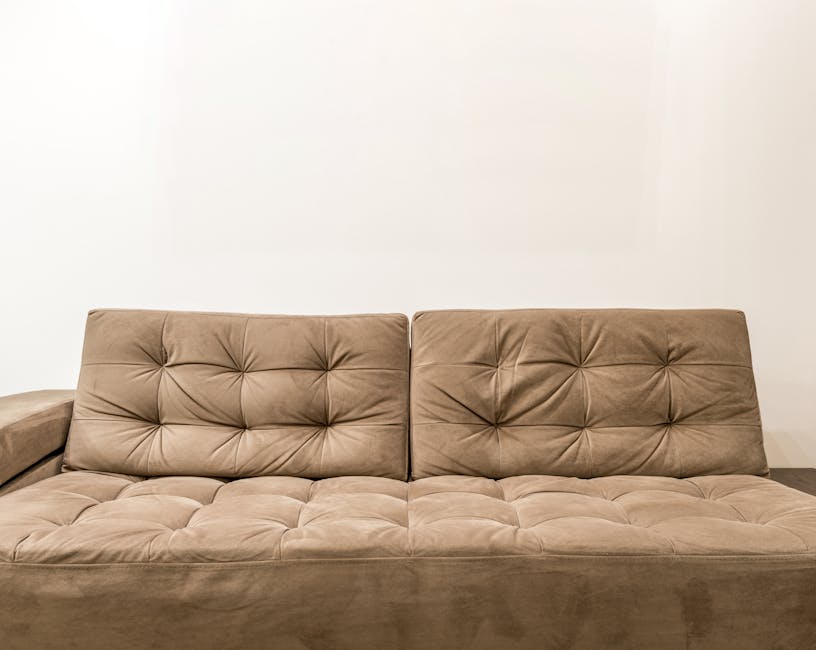
Sofa stain removal on Mottingham estate Eltham tips

If you live on or around the Mottingham Estate in Eltham, you already know how quickly a sofa can go from tidy centrepiece to "oh no" after one cup of tea, a muddy paw print, or a bit of dinner that landed where it definitely shouldn't. Sofa stain removal on Mottingham estate Eltham tips is really about acting fast, using the right method for the fabric, and avoiding the kind of well-meant mistake that sets a stain in for good. The good news? Most everyday marks can be improved a lot with calm, sensible steps.
This guide walks you through what works, what to avoid, and when a professional clean makes more sense. You'll also find local-minded advice, a comparison of common methods, and a practical checklist you can keep in mind before the stain has time to settle. To be fair, sofas take a beating in busy homes. That's life. But they do not have to stay marked.
Why Sofa stain removal on Mottingham estate Eltham tips Matters
Sofa stains are not just cosmetic. A fresh spill can soak into the fibres, migrate into the padding, and leave behind a ring, odour, or sticky residue that attracts more dirt. Once that happens, the mark can become harder to lift and more expensive to deal with later. That is especially true on upholstered furniture that gets daily use, like family sofas, rental property furnishings, or the hardworking three-seater in a flat where everyone piles in after a long day.
On the Mottingham Estate and across Eltham, many homes have a mix of older and newer seating, different fabric types, and real-life wear from pets, children, visitors, and the odd takeaway night. In that setting, quick and accurate stain removal matters because it protects appearance, hygiene, and the lifespan of the sofa itself. It also helps avoid the false economy of scrubbing something at home until the fabric looks worse than the stain did.
There is another practical reason too: the wrong treatment can leave a water mark, bleach the colour, or compact the pile. So the aim is not just to clean, but to clean in a way that respects the fabric. That distinction sounds small. It really isn't.
How Sofa stain removal on Mottingham estate Eltham tips Works
Good sofa stain removal follows a simple principle: identify the stain, choose the safest treatment, and work from the outside in with light pressure rather than panic. Different stains behave differently. Water-based marks, oily marks, protein-based stains, dye transfer, and pet accidents all need slightly different handling.
At a basic level, the process works like this:
- First, you remove loose material gently, without pressing it deeper into the weave.
- Then you test any cleaning solution on a hidden area.
- After that, you apply a small amount of the right cleaner, blotting rather than rubbing.
- Finally, you rinse or lift residue carefully and let the fabric dry properly.
The reason this works is simple: upholstery fibres can trap stain particles between threads, and friction often spreads the problem. Blotting helps pull moisture up rather than grinding it in. If the sofa has a delicate fabric, like velvet, chenille, or a blend with a soft finish, the margin for error gets smaller. A little caution goes a long way. Honestly, more than a little.
If the stain has already dried, the approach changes slightly. You may need to soften the mark first before lifting it. For greasy or oily residues, dry absorbent material can help before any water-based step is used. For odours, especially pet-related ones, the visible mark and the smell may need separate treatment. That's where a specialist service such as sofa cleaning or pet stain and odour removal can save time and reduce risk.
Key Benefits and Practical Advantages
Done properly, sofa stain removal gives you more than a cleaner-looking seat. It can help preserve the fabric finish, improve indoor freshness, and delay the point at which the sofa starts looking tired overall. That matters in smaller living rooms where the sofa is the visual anchor, and it matters in family homes where comfort and appearance both count.
Here are the main benefits in plain English:
- Better appearance: stains are less likely to leave obvious halos, tide marks, or dull patches.
- Longer fabric life: careful cleaning avoids unnecessary wear from over-scrubbing.
- Improved hygiene: removing spills quickly reduces the chance of lingering residue and odour.
- More confidence at home: you stop worrying about where people sit, which is a surprisingly big relief.
- Potential cost savings: early treatment can reduce the need for more intensive restoration later.
There is a practical comfort benefit too. A fresh, clean sofa changes how a room feels. You notice it at night when the lamps are on and the room smells clean instead of faintly of last week's dinner. Small thing, maybe. But it matters.
Who This Is For and When It Makes Sense
This advice is useful for pretty much anyone who has upholstered seating in everyday use, but it is especially relevant if you are:
- a homeowner trying to keep a living room looking presentable
- a tenant or leaseholder wanting to protect furnishings
- a landlord preparing a property between occupiers
- a parent dealing with frequent food or drink spills
- a pet owner who has to manage hair, muddy paws, or the occasional accident
- someone with a velvet, wool-blend, or light-coloured sofa that shows marks easily
It also makes sense when you are deciding whether to continue at home or bring in professional help. If the stain is fresh, small, and clearly water-based, a careful DIY approach may be enough. If the stain is old, greasy, coloured, smelly, or spread across a large area, the balance shifts quickly towards specialist upholstery cleaning.
And if you are dealing with a sofa that has a care label you do not fully trust yourself to interpret, that is usually a sign to slow down. Not every fabric likes the same treatment. Some really don't.
Step-by-Step Guidance
Here is a reliable approach for most everyday sofa stains. Keep it gentle, keep it simple, and stop if the fabric begins to change texture or colour.
1. Act quickly, but do not rush
Use a spoon, dull knife, or the edge of a card to lift away solids. If it is a spill, blot with a clean white cloth or paper towel. Do not smear across the surface. That spreads the problem in a way that looks avoidable because, well, it usually is.
2. Check the fabric type and care label
Look for the manufacturer's cleaning code if it is visible. Some fabrics tolerate water-based cleaning. Others need solvent-based treatment or professional care. When in doubt, treat the sofa as delicate until proven otherwise.
3. Test in a hidden area
Before using any cleaner, test on the back, underside, or another concealed spot. Wait for it to dry if possible. This is the step people skip and later regret. Quietly, a lot of upholstery problems begin here.
4. Choose the right stain strategy
For food and drink: blot first, then use a mild cleaning solution suitable for the fabric.
For grease: absorb excess oil gently before introducing moisture.
For pet accidents: remove moisture, treat odour separately, and avoid heat until you know the mark is fully gone.
For ink or dye transfer: be extra careful. These stains can spread if overtreated.
5. Apply lightly and work from the outside in
Use a small amount of solution. Dab the outer edge first, then move inward. This helps keep the stain from growing. A soft cloth is better than anything scratchy. No one needs to attack a sofa like it owes them money.
6. Lift, rinse, and repeat only if needed
Use a second clean cloth with plain water, if the fabric allows it, to lift cleaning residue. Then blot dry. If the stain is reducing, repeat carefully rather than switching products every thirty seconds. That way lies chaos.
7. Dry properly
Allow good airflow. Open a window if the weather and room conditions make sense. Avoid direct heat unless the manufacturer specifically allows it. Drying is not glamorous, but it matters a lot for preventing odour, water marks, and re-soiling.
If a stain remains stubborn after the first pass, stop before you overwork the area. At that point, a more controlled professional clean may be the smarter move, especially for larger sofas or mixed-fabric upholstery. You can also look at broader stain removal options when the spill has affected more than one surface in the room.
Expert Tips for Better Results
A few practical habits make a noticeable difference. The first is keeping a small, simple cleaning kit ready before you need it. The second is understanding that less product is usually better than more. The third is accepting that speed matters more than force.
Some useful expert-minded tips:
- Use white cloths so you can see what is being lifted.
- Blot in stages rather than scrubbing in one go.
- Work in daylight if you can, because stains and residue are easier to spot.
- Keep an eye on the pile direction on brushed fabrics; cleaning with the grain is often kinder.
- For older stains, gently soften the mark before lifting it. Patience helps, irritatingly enough.
- If you suspect a hidden moisture ring, feather the damp area slightly beyond the stain so it dries more evenly.
A local practical observation: in homes with central heating running hard through colder months, upholstery dries differently from one room to another. A sofa near a warm radiator can dry too quickly at the surface and still hold moisture underneath. That is when lingering smell appears later, not immediately. Annoying, but common.
When a sofa has multiple marks, treat one area at a time. Jumping around the furniture can make the whole piece look patchy. Better to deal with the obvious stain first, then assess the rest with a clear eye.
Common Mistakes to Avoid
Most bad outcomes come from a handful of familiar mistakes. Avoid these and you immediately improve your odds.
- Rubbing hard: it pushes stain deeper and can rough up the fabric.
- Using too much water: excess moisture can spread the stain and leave rings.
- Skipping the test patch: this is how colour loss and texture changes happen.
- Mixing cleaning products: not worth the risk, especially on upholstery.
- Using heat too early: heat can lock in some stains and odours.
- Scraping aggressively: it can damage the weave or finish.
- Cleaning without drying properly: trapped dampness leads to smells and re-soiling.
Another mistake is assuming every stain should be treated the same way. A tea spill is not a lipstick mark. A muddy patch is not a wine spill. That sounds obvious written down, yet in a real-life moment people often reach for the nearest bottle and hope for the best. Hope is not a cleaning method. Not really.
Tools, Resources and Recommendations
You do not need a cupboard full of specialist products to handle many sofa marks. In fact, too many products can make things worse. A sensible set of basics is usually enough for first response cleaning.
| Tool or item | Why it helps | Best use |
|---|---|---|
| White microfibre cloths | Lift moisture cleanly and show stain transfer clearly | Blotting spills and drying test areas |
| Soft brush | Loosens dry particles without roughing up the fabric | Dry debris on sturdier upholstery |
| Clean bowl or spray bottle | Helps apply small amounts evenly | Controlled spot treatment |
| Absorbent paper towels | Useful for quick first response | Fresh liquid spills |
| Protective gloves | Helps with hygiene when dealing with food or pet stains | Messier clean-up jobs |
If you want a broader professional clean after spot treatment, services such as upholstery cleaning can be a sensible next step, especially if the sofa also has general dulling, body oils, or odour. For homes where soft furnishings all need attention, it can also be worth looking at curtain cleaning, rug cleaning, or even carpet cleaning so the room feels refreshed as a whole.
And if your sofa stain has come from a pet-related accident, that often overlaps with odour and carpet issues nearby. In those cases, a service like pet stain and odour removal can be more effective than piecemeal spot cleaning.
Law, Compliance, Standards, or Best Practice
For sofa stain removal, the main compliance concern is usually not law in the dramatic sense, but safe, sensible practice. In homes and many managed properties, it is good practice to follow fabric care labels, product instructions, and general safety guidance. If you are cleaning in a rental or communal setting, keeping surfaces safe, dry, and free from chemical residue matters for occupants and visitors alike.
For anyone using cleaning products, common-sense UK safety practice still applies: ventilate the room where possible, keep products away from children and pets, and avoid mixing chemicals. If a sofa has a removable cover, wash or clean it only as instructed by the manufacturer. That is especially important with delicate fibres and colour-fastness concerns.
If you are hiring a professional, it is reasonable to ask about insurance, health and safety practices, and how the company handles your property. Those details are not fluff; they are part of trust. You can review the company's insurance and safety information and health and safety policy if you want reassurance before booking. For a clear picture of how quoting and payment are handled, the pages on pricing and quotes and payment and security are useful too.
Options, Methods, or Comparison Table
Not every stain needs the same level of intervention. Sometimes a careful at-home method is enough. Sometimes professional cleaning is simply the safer, more efficient choice. Here is a practical comparison.
| Method | Best for | Pros | Watch-outs |
|---|---|---|---|
| Blotting with mild solution | Fresh food, drink, and small marks | Low cost, quick, accessible | Can fail on deep or old stains |
| Dry absorbent treatment first | Grease, oil, and some textured fabrics | Reduces spreading, helps lift residue | Needs patience and correct follow-up |
| Fabric-specific spot cleaning | Known upholstery codes and stable colours | Targeted and efficient | Requires care label confidence |
| Professional upholstery clean | Large stains, odours, mixed wear, delicate fabrics | More thorough, safer for tricky jobs | Usually costs more than DIY |
As a rule of thumb, the more delicate the fabric and the older the stain, the more sense professional help makes. If a sofa is already looking generally tired, a targeted clean can also be paired with broader fabric care rather than one-off patch treatment.
Case Study or Real-World Example
A typical real-world example from a Mottingham household might look like this: a family sofa gets a tea spill after school pickup, then later the same week a small snack stain appears on the same cushion. The first mark is dealt with quickly, but the second one is left overnight because "it can wait until morning." By the time morning comes, the fabric has two faint rings and a slightly sticky feel where the liquid dried unevenly.
In that situation, a careful blot-and-test approach may improve the first stain, but the older mark often needs more than home treatment. The turning point is usually when the fabric begins to look patchy after spot cleaning. That is the point where many people realise the problem is no longer just a spill. It is now a texture and residue issue too.
What worked best in that kind of situation was not more scrubbing. It was stopping, reassessing the fabric type, and arranging a proper upholstery clean. After that, the sofa looked more even, the marks were greatly reduced, and the whole room felt less "lived-in mess" and more "normal home again." Not glamorous, but very satisfying.
Practical Checklist
Use this before, during, or after treating a sofa stain:
- Identify the stain type if you can: food, drink, grease, ink, pet accident, or mud.
- Check the sofa care label or manufacturer instructions.
- Test any cleaner on a hidden patch first.
- Blot gently with a clean white cloth.
- Work from the outside of the stain inward.
- Use as little liquid as possible.
- Avoid scrubbing and aggressive rubbing.
- Do not mix cleaning products.
- Allow proper drying with airflow.
- Reassess before repeating treatment.
- Call in professional help if the stain is deep, old, odorous, or on a delicate fabric.
Expert summary: The best sofa stain removal on Mottingham estate Eltham tips are simple, calm, and fabric-aware. Act early, use minimal moisture, test first, and stop before you do more harm than good. If the stain is stubborn or the sofa is valuable, a professional upholstery clean is often the safer call.
Conclusion
Getting a sofa stain under control is rarely about one magic product. It is about timing, fabric knowledge, and a steady hand. If you live on the Mottingham Estate in Eltham, the most useful approach is to treat spills early, keep your method gentle, and respect the upholstery rather than attacking it. That way, you protect both the look of the sofa and the comfort of the room it lives in.
There is nothing fancy about that advice, and that is exactly why it works. One careful blot at a time. One sensible decision at a time. And if the stain is more than a quick fix, getting a proper clean is not admitting defeat; it is just being practical, which is underrated these days.
Get a free quote today and see how much you can save.
For more background on the team behind the service, you can also visit the about us page, or use the contact page if you want to talk through a particular stain and the best next step.
Frequently Asked Questions
What is the safest first step for sofa stain removal on Mottingham estate Eltham tips?
The safest first step is to blot up as much of the spill as possible with a clean white cloth, then check the care label before using any solution. Do not rub, because rubbing usually drives the stain deeper.
Can I use washing-up liquid on my sofa?
Sometimes a very mild solution can help on certain fabrics, but it depends on the upholstery type and the stain. Always test in a hidden area first. If the sofa is delicate or the label is unclear, it is better to be cautious.
How do I remove an old stain from a sofa?
Old stains often need softening before they can be lifted. You may need repeated gentle treatment rather than one hard scrub. If the mark has already set, or the fabric is sensitive, professional upholstery cleaning is often the smarter option.
Why does my sofa stain leave a ring after cleaning?
That usually happens when too much water is used or the damp area dries unevenly. Working lightly, blotting well, and feathering the edge of the wet area can help reduce rings.
What should I do if my sofa stain smells as well as looks bad?
Visible stains and odours can be separate problems. Pet accidents, milk, and food spills often leave smell in the padding. In those cases, a service such as pet stain and odour removal may be more effective than surface cleaning alone.
Is steam safe for sofa stain removal?
Not always. Steam can help with some upholstery, but it can also damage delicate fabrics or set certain stains if used incorrectly. It is best left to a professional if you are not certain the fabric can handle it.
How quickly should I clean a spill on a sofa?
As quickly as possible. Fresh spills are far easier to remove than dried ones because they have not had time to sink into the fibres or padding. Even a few minutes can make a difference.
Can I clean velvet or chenille sofas at home?
You can sometimes do light maintenance, but these fabrics can be tricky. They often show pressure marks and can react badly to too much moisture. Test carefully and avoid heavy rubbing. When in doubt, get advice before treating the stain.
How do I know when to stop DIY cleaning and call a professional?
If the stain is spreading, the fabric is changing colour or texture, the smell remains, or the sofa is valuable, it is usually time to stop. Professional help is also sensible when the stain is large or has soaked deeper than the surface.
Will professional sofa cleaning remove every stain?
Not every stain, and it is better to be honest about that. Very old dye stains, bleach marks, and some ink marks can be difficult or impossible to remove completely. A good professional clean can still improve appearance and freshness a lot, though.
How often should a sofa be professionally cleaned?
That depends on use, pets, children, and the fabric type. A busy household may need it more often than a quieter one. The better question is usually: does the sofa look dull, smell stale, or hold marks that spot cleaning does not improve?
Are there any hidden risks in trying to remove stains myself?
Yes. The main risks are spreading the stain, causing water rings, fading colour, and damaging the fabric pile or finish. That is why test patches and gentle methods matter so much.
What other soft furnishings should I clean at the same time?
If one area of the room has picked up stains and odours, it can make sense to clean nearby fabrics too. Curtains, rugs, mattresses, and carpets can all hold dust or smells that make a room feel less fresh than it should. A broader fabric-care approach often gives the best result.