Eltham Palace upholstery cleaning before and after case study
If you have ever looked at a favourite sofa, chair, or dining bench and thought, "It used to look so much better than this," you are in the right place. This Eltham Palace upholstery cleaning before and after case study explores what changes after a professional clean, why those changes matter, and what you should realistically expect from the process. It is not just about making fabric look brighter. It is also about restoring comfort, removing trapped dirt, and helping furniture last longer.
To be fair, upholstery gets treated badly in normal life. Coffee splashes happen. Pet hair settles in. Dust works its way deep into the fibres, and over time the whole piece can look tired without you really noticing how it happened. This guide walks you through the practical side of a real-world style clean: the condition before, the cleaning approach, the after-results, and the decisions that make the difference between a decent refresh and a proper transformation.
Along the way, you will also see when upholstery cleaning makes sense, which methods suit different fabrics, and how to judge whether your furniture is a good candidate for cleaning rather than replacement. If you are comparing services, you may also find it helpful to look at the broader upholstery cleaning service and related options such as sofa cleaning and stain removal.
Table of Contents
- Why this case study matters
- How the cleaning process works
- Key benefits and practical advantages
- Who this is for and when it makes sense
- Step-by-step guidance
- Expert tips for better results
- Common mistakes to avoid
- Tools, resources and recommendations
- Law, compliance, standards and best practice
- Options, methods and comparison table
- Case study and real-world example
- Practical checklist
- Conclusion
- Frequently asked questions
Why Eltham Palace upholstery cleaning before and after case study Matters
The phrase "before and after" is doing a lot of work here. People do not usually search for upholstery cleaning because they want a theory lesson. They want to know whether the result will actually be visible. Will the fabric look fresher? Will marks soften? Will the room feel cleaner? Those are fair questions, and they are exactly why a case-study style article is useful.
In a local setting like Eltham Palace, furniture often needs to cope with day-to-day family use, guests, dogs on the sofa, or the odd spill during a quiet evening in. After a while, the surface may look dull, but the bigger issue is what is hiding below it. Dust, body oils, crumbs, and general grime accumulate slowly. You stop seeing it. Then one day a clean patch or a freshly steamed area makes the contrast obvious. It can be a bit of a shock, honestly.
That contrast matters because it helps you judge value properly. A good before-and-after comparison shows whether cleaning has improved the appearance, but also whether the process respected the fabric, preserved the shape, and reduced odours. If a method only makes the stain fade but leaves the upholstery soggy, streaky, or rough to the touch, that is not really a win.
It also matters for decision-making. Sometimes a piece looks too far gone, but a proper clean brings it back far better than expected. Other times, the visible damage is only one part of the story, and a gentler approach is needed. A good case study helps you weigh that up without guessing.
Expert summary: the most useful before-and-after upholstery cleaning results are not just about brighter colour; they are about fabric-safe restoration, improved comfort, and a finish that feels clean, dry, and usable again.
How Eltham Palace upholstery cleaning before and after case study Works
The cleaning process usually starts with a close inspection. That sounds simple, but it is the stage that saves the most trouble later. Different fabrics behave differently. A woven cotton blend will not react like a velvet finish, and a synthetic chair seat may release soil in a very different way from a linen-style sofa cover. Identifying the fabric type, construction, and weak points is the first proper step.
Next comes testing. A small, hidden area is checked for colour fastness, texture change, or unwanted reaction to moisture. This is the bit some people skip when they are in a hurry. It is also the bit that can prevent a very expensive mistake. If the dye bleeds or the pile reacts badly, the method may need adjusting before the main clean begins.
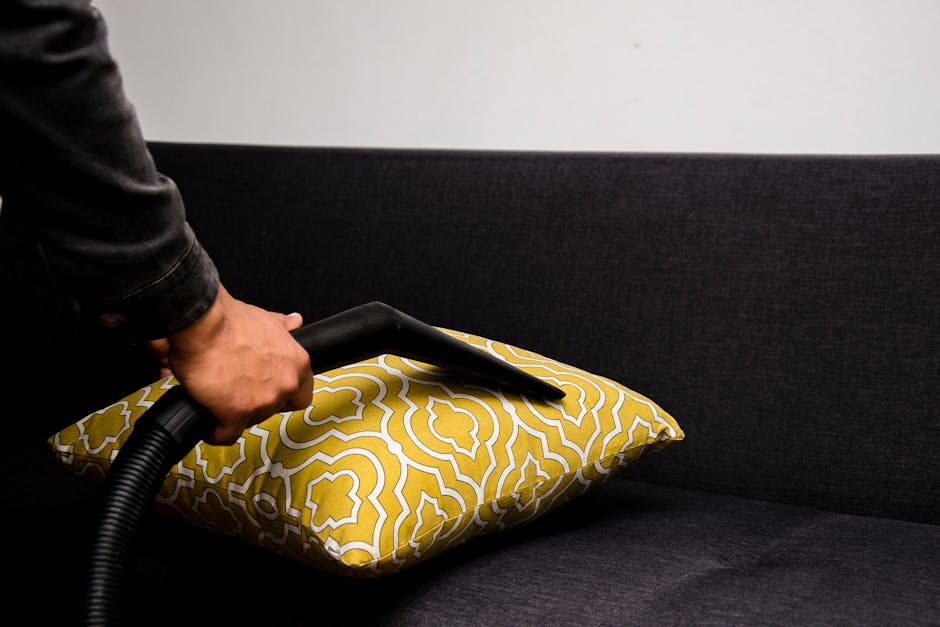
After that, dry soil is usually removed with careful vacuuming and agitation. That matters because loose grit can become mud if you go in with moisture too quickly. Then the cleaner targets spots, traffic marks, and deeper soiling using a fabric-appropriate solution. In many cases, controlled extraction or gentle hot-water-based cleaning is used, but the exact process depends on the material and the condition.
The "before and after" part is not instant magic. You may first notice the room smell fresher, then the colour looks more even, and finally the texture feels revived once the fabric is fully dry. Often the biggest difference is not a dramatic one-off reveal but the way the whole piece suddenly looks consistent again. That is the good stuff, really.
If you are comparing upholstery with other soft furnishing cleaning needs, it can help to understand related services too. For example, a home with curtains, rugs, or mattresses may benefit from a coordinated approach through curtain cleaning, rug cleaning, or mattress cleaning.
Key Benefits and Practical Advantages
The most obvious benefit is visual. Clean upholstery usually looks brighter, more even in colour, and less tired around arms, seat cushions, and headrests. But the practical advantages go further than appearance. A thorough clean can help reduce built-up dust and lingering odours, which makes the room feel better to live in day to day.
There is also a comfort factor. Dust and embedded debris can make fabric feel rough or flat. Once cleaned, upholstery often feels softer and more inviting. You notice it when you sit down. The piece just feels looked after. That may sound small, but in a living room, small things shape the atmosphere.
Another real-world benefit is delay. If the frame and fabric are structurally sound, cleaning can postpone replacement. That is especially useful for quality furniture, sentimental pieces, or custom-made seating. Not every chair deserves a new life, to be fair, but quite a few do.
Here are the practical gains many homeowners and property managers look for:
- Improved appearance and colour balance
- Reduced visible marking and surface dullness
- Better everyday comfort and freshness
- Removal of dust, crumbs, and embedded debris
- Odour reduction from normal household use
- Longer usable life for good-quality furniture
There is another benefit people sometimes forget: confidence. When a sofa or armchair looks clean, the room feels easier to enjoy. Guests notice it. You notice it. And yes, it is a bit satisfying seeing a pale patch return to something close to its original tone after weeks or months of looking grubby.
Who This Is For and When It Makes Sense
This kind of cleaning is for anyone who wants to improve the look and feel of upholstered furniture without jumping straight to replacement. It is especially relevant if you have visible staining, pet hair build-up, oily headrest marks, drink spills, or general dullness from everyday use.
It also makes sense if you are preparing a property for sale, tenancy changeover, or guests. A sofa or dining chair can be one of those things that quietly makes the whole interior feel older than it is. Fresh upholstery can change that impression fast. Not every room needs a makeover. Sometimes one properly cleaned chair does half the job.
You may be a good candidate for upholstery cleaning if:
- Your furniture is structurally sound but looks tired
- The marks are surface-level or moderately embedded
- You want to improve odour and freshness
- You are managing family traffic, pets, or rental turnover
- The fabric can safely tolerate professional cleaning methods
It may be less suitable if the upholstery has severe fibre damage, permanent dye loss, brittle ageing, or deep-set damage from the wrong previous cleaning attempt. In those cases, a careful assessment matters more than optimism. That is just the truth of it.
Commercial settings can benefit too. Waiting areas, reception seating, and soft seating in offices are easy to ignore because nobody "owns" them the way they do a home sofa. But grime builds up the same way. For businesses, the broader commercial carpet cleaning and upholstery care approach can help maintain a professional environment without overdoing it.
Step-by-Step Guidance
If you want a simple view of how a successful upholstery clean usually unfolds, here it is. No mystery, no drama.
- Inspect the fabric. Check fibre type, wear areas, staining, fading, and any weak seams or trimming.
- Test a hidden section. This confirms whether the cleaning solution and moisture level are safe for the material.
- Vacuum thoroughly. Remove loose dirt, dust, crumbs, and pet hair before any liquid cleaning begins.
- Treat problem spots. Apply targeted pre-treatment for stains, high-contact marks, or odour-prone areas.
- Clean with the right method. Use the most suitable technique for the fabric, not the most aggressive one available.
- Extract or wipe carefully. Remove residue and moisture so the fabric is left clean rather than sticky.
- Check the result. Compare the before and after across different sections, not just the obvious stain.
- Allow proper drying. Let the upholstery dry fully before regular use to avoid re-soiling or damp smell.
The drying stage is often underestimated. A piece can look good but still feel slightly damp in the padding, and that is when people sit on it too early. Then you get reprints, slow-drying edges, or a faint musty note that nobody wants. If in doubt, give it more time. One extra hour often beats one unnecessary problem.
A good after-result should be judged by more than the eye alone. Touch the fabric. Smell it. Look at the edge areas where grime hides. Check the seat front, arms, and creases. Those little zones tell you whether the clean was even and thorough.
Expert Tips for Better Results
Here is where the practical experience really pays off. Upholstery cleaning is not difficult in principle, but the small details make a huge difference.
Tip 1: Always identify the stain first. Water-based marks, oily marks, food spillages, and pet-related problems behave differently. Treating them all the same is a shortcut to disappointment.
Tip 2: Work from the outside of a stain inward. That helps prevent the mark from spreading into a larger halo. It sounds obvious once you know it, but plenty of people forget in the moment.
Tip 3: Respect delicate fabrics. Velvet, silk blends, and some natural fibres need a lighter hand. More force is not more professional. It is usually just more force.
Tip 4: Combine vacuuming and stain treatment. If you only treat the visible patch, dirt around it may remain and make the cleaned area look awkward by comparison.
Tip 5: Think about the whole room. A clean sofa beside filthy carpet can still make the room feel unfinished. If the upholstery is part of a broader refresh, it may be worth pairing it with carpet cleaning or even steam carpet cleaning where appropriate.
One more thing. If you are dealing with pet odours, do not just mask them with fragrance. That is like opening a window and hoping for the best. Better to address the source. For households with cats or dogs, pet stain odour removal can be the more sensible route.
Common Mistakes to Avoid
A lot of upholstery problems happen because someone means well and rushes in. Happens all the time. The good news is that most mistakes are avoidable.
- Over-wetting the fabric. Too much liquid can push dirt deeper and lengthen drying time.
- Scrubbing aggressively. This can distort the pile, fray fibres, or spread stains.
- Skipping the test patch. A hidden reaction can save visible damage later.
- Using the wrong product. Some cleaners are simply too harsh for delicate upholstery.
- Ignoring odour sources. A clean-looking sofa can still smell if the padding is affected.
- Putting cushions back too early. Trapped moisture can leave marks or stale smells.
There is also the classic mistake of judging the clean too quickly. Sometimes upholstery looks slightly patchy while drying and then evens out. Other times, a stain softens over a few hours. Give it a fair chance before concluding anything. Not all improvements announce themselves loudly.
Tools, Resources and Recommendations
If you are assessing upholstery cleaning properly, the right tools and a clear process matter more than fancy claims. At a minimum, a good cleaner should be working with reliable vacuuming, fabric-safe cleaning solutions, controlled moisture application, and stain-specific treatment products chosen for the job at hand.
For homeowners, practical resources are a bit simpler. A soft brush, microfiber cloths, and a vacuum with upholstery attachments can help with routine maintenance between professional visits. That will not replace a deep clean, of course, but it can slow down build-up and keep the fabric looking better for longer.
When comparing service choices, consider the following:
- Whether the provider explains fabric suitability clearly
- Whether stain testing is part of the process
- Whether the drying plan is realistic for your room use
- Whether odour issues are addressed properly
- Whether related soft furnishings can be cleaned too
For transparent planning, it can also help to review pricing and quotes before booking, especially if you are cleaning multiple pieces or pairing upholstery with other services. If safety and trust are on your mind, the pages on insurance and safety and the health and safety policy are useful reading too.
Law, Compliance, Standards and Best Practice
Upholstery cleaning is not a heavily regulated field in the way some trades are, but good practice still matters. In the UK, professional cleaners are expected to work safely, handle chemicals responsibly, and take reasonable care with surfaces, people, and property. That includes clear communication about fabric risks, drying times, and any limitations before work starts.
From a practical point of view, best practice usually means using suitable products, keeping the work area safe, and being upfront when a stain may not fully lift. A trustworthy cleaner will not promise miracles on an old, chemically set mark. They will explain likely outcomes clearly. That honesty is a good sign, not a weakness.
There are also general considerations around disposal, water use, and responsible working methods. Many customers prefer to work with companies that think about recycling and sustainability as part of their wider approach, even if the main job is just one sofa or chair. It is a small detail, but these things do add up over time.
If you are arranging work in a home where access, payment, and service expectations matter, it is sensible to review the company's terms and conditions and payment and security information. That sort of admin is not glamorous, admittedly, but it helps avoid awkward surprises. Nobody enjoys those.
Options, Methods, or Comparison Table
Not every upholstery job needs the same method. The right choice depends on fabric, soil level, drying time, and how delicate the item is. Here is a simple comparison to help you think it through.
| Method | Best for | Strengths | Limitations |
|---|---|---|---|
| Vacuum-only maintenance | Light dust and routine upkeep | Quick, low-risk, keeps build-up down | Will not remove embedded staining |
| Spot treatment | Specific marks or fresh spills | Targets visible problem areas | Can leave surround soil untouched |
| Low-moisture professional cleaning | Delicate fabrics and general refresh | Lower drying time, gentler on some materials | May be less powerful on deep soiling |
| Hot-water extraction style cleaning | Durable fabrics with heavier soil | Strong deep-clean effect and thorough soil removal | Not suitable for every material, drying must be managed well |
A good cleaner will not force one method on every piece. That is the key point. The best result is usually the one that suits the fabric, not the one that sounds most impressive in an advert.
Case Study and Real-World Example
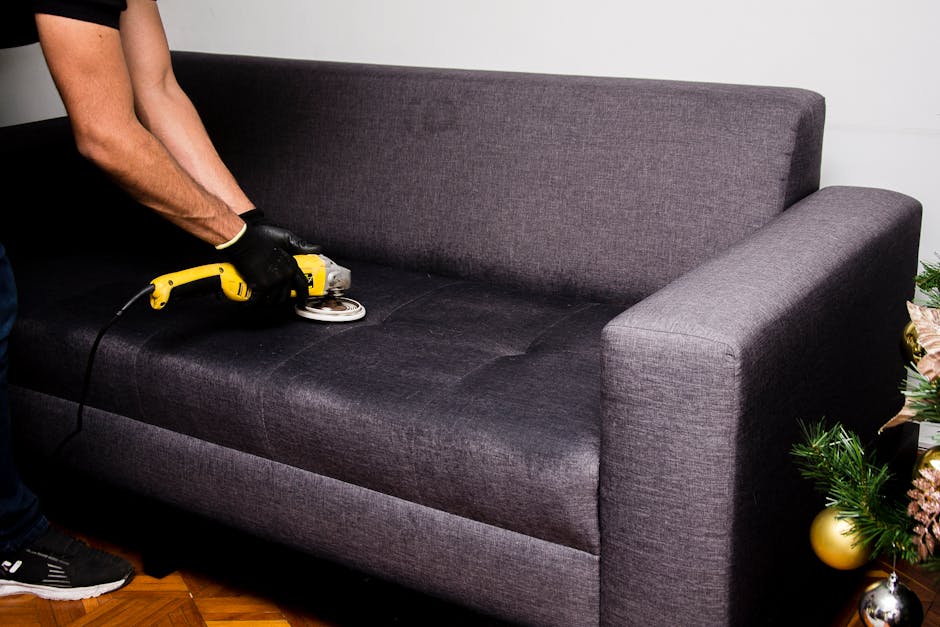
Here is a realistic example of what a before-and-after upholstery clean can look like in a home near Eltham Palace. The furniture in question was a fabric sofa that had become visibly dull on the seat fronts and armrests, with a few older marks from everyday living. Nothing dramatic, just the kind of wear that sneaks up on you over time.
Before: the sofa looked flat in colour, especially in daylight. The arms had a slightly greasy sheen from repeated use. There were a couple of lighter splash marks on one cushion, and the overall feel was "lived-in" in a way that had crossed into tired. A fair assessment, though a little sad.
Process: the fabric was inspected and tested first. Then the loose dust and debris were removed, the soiled areas were pre-treated, and the main fabric was cleaned with a method appropriate to the material. Extra attention was paid to the headrest and arm areas, because that is where human contact tends to be most obvious. A bit grim, but normal.
After: the colour looked more even across the full sofa. The seat fronts no longer caught the light in the same dull way, and the arm areas had lost much of their worn shine. The cleaner appearance was matched by a fresher smell and a better texture under the hand. The difference was not just cosmetic. The whole room felt calmer and more finished again.
What stands out in this kind of case is that the most dramatic improvement often happens in the unnoticed sections. People expect the obvious stain to change, but the bigger impact is usually the overall lift in tone and freshness. You sit down and think, "Ah, that's better."
For readers who want a broader service view, the related sofa cleaning page can help explain how furniture pieces are handled, while stain removal is useful if one mark is doing all the visual damage.
Practical Checklist
Use this checklist before booking or attempting upholstery cleaning:
- Identify the furniture type and fabric where possible
- Check for labels, wear, or loose seams
- Note every stain, odour, or visible wear area
- Decide whether the item is delicate, durable, or uncertain
- Ask how the cleaning method will be matched to the fabric
- Confirm how long drying is likely to take
- Remove cushions, throws, and loose items from the area
- Plan for ventilation and a bit of drying space
- Review pricing details before the appointment
- Be realistic about what a clean can and cannot fix
If you are working across multiple rooms or need a full-home refresh, it can help to coordinate the order of cleaning. For example, carpets first or upholstery first? There is no single rule for every house, but planning avoids re-soiling. Little things, really, but they matter.
Conclusion
A well-executed Eltham Palace upholstery cleaning before and after case study shows just how much life can return to a sofa, chair, or other upholstered piece when the right process is used. The best results are usually calm rather than flashy: cleaner colour, softer feel, reduced odour, and a room that feels easier to live in. That is often enough to make a big difference.
If your furniture is still structurally sound but has become dull, marked, or a bit whiffy, professional cleaning is often a sensible next step. It can be a very practical alternative to replacement, especially for quality or sentimental pieces. And if you are dealing with related soft furnishing problems, it is worth looking at the bigger picture rather than one item in isolation.
Get a free quote today and see how much you can save.
Sometimes the most satisfying home improvements are the ones that quietly give something good a second chance. That's a nice thing, really.
Frequently Asked Questions
What should I expect from an upholstery cleaning before and after result?
You should expect the furniture to look fresher, more even in colour, and generally less tired. The biggest change is often in the overall feel of the item rather than one dramatic stain disappearing completely.
Will upholstery cleaning remove every stain?
Not always. Some marks are permanent, especially if they have set deeply, been treated with the wrong product, or altered the fabric dye. A good cleaner should explain likely outcomes honestly before starting.
How long does upholstery take to dry?
Drying time depends on fabric, method, airflow, and room temperature. Some pieces dry fairly quickly, while thicker cushions or denser fabrics can take longer. It is best not to use the furniture heavily until it is fully dry.
Is upholstery cleaning safe for delicate fabrics?
It can be, provided the method is matched to the fabric. Delicate materials need a gentler approach and a careful test patch first. The wrong process can cause more harm than the original dirt.
Can upholstery cleaning help with pet smells?
Yes, in many cases. If the odour is from surface contamination or light soiling, cleaning can help a lot. For deeper pet issues, a more targeted approach may be needed, especially if the smell has reached the padding.
How often should upholstery be professionally cleaned?
That depends on usage. A busy family sofa or a pet-friendly home will usually need attention more often than a rarely used guest chair. Many people book cleaning when the fabric starts looking dull or before a major event.
What makes a before-and-after case study useful?
It helps you see the kind of improvement that is realistic. A proper case study shows visible change, but it also explains the process, fabric limits, and drying expectations. That makes it much more useful than a quick photo alone.
Should I clean upholstery before or after carpet cleaning?
Either can work, but many people prefer to leave upholstery until after dusty jobs are finished so the cleaned fabric does not pick up fresh debris. The best order depends on the room and how the cleaning is being organised.
Can one professional visit cover sofa and other soft furnishings?
Often yes, depending on the items and the time available. It can be efficient to combine sofa cleaning with rug, curtain, or mattress work if the fabrics and schedules line up sensibly.
What if my furniture is old but still looks worth saving?
That is exactly when upholstery cleaning can be worthwhile. If the frame is sound and the fabric is not damaged beyond repair, a careful clean may restore enough appearance and comfort to make the piece enjoyable again.
Do I need to prepare the room before cleaning?
It helps to remove loose items, clear access, and make space for drying. A little preparation makes the appointment smoother and gives the cleaner room to work properly. It is not a huge job, thankfully.
Where can I read more about safe and transparent service expectations?
You can review service details through the company's about us information, along with its complaints procedure and privacy policy. Those pages help set clear expectations before any booking is made.